Show the context
A close-up of one leaf can miss the pot, the soil and the light. The whole plant is the useful starting point.
Photograph the whole plant and add a line about where it sits and how you water it. You get the likely species, what's visibly going on, and care steps for today, this week and the long run.
Each check uses 5 credits. You can review the photo and context before it runs.
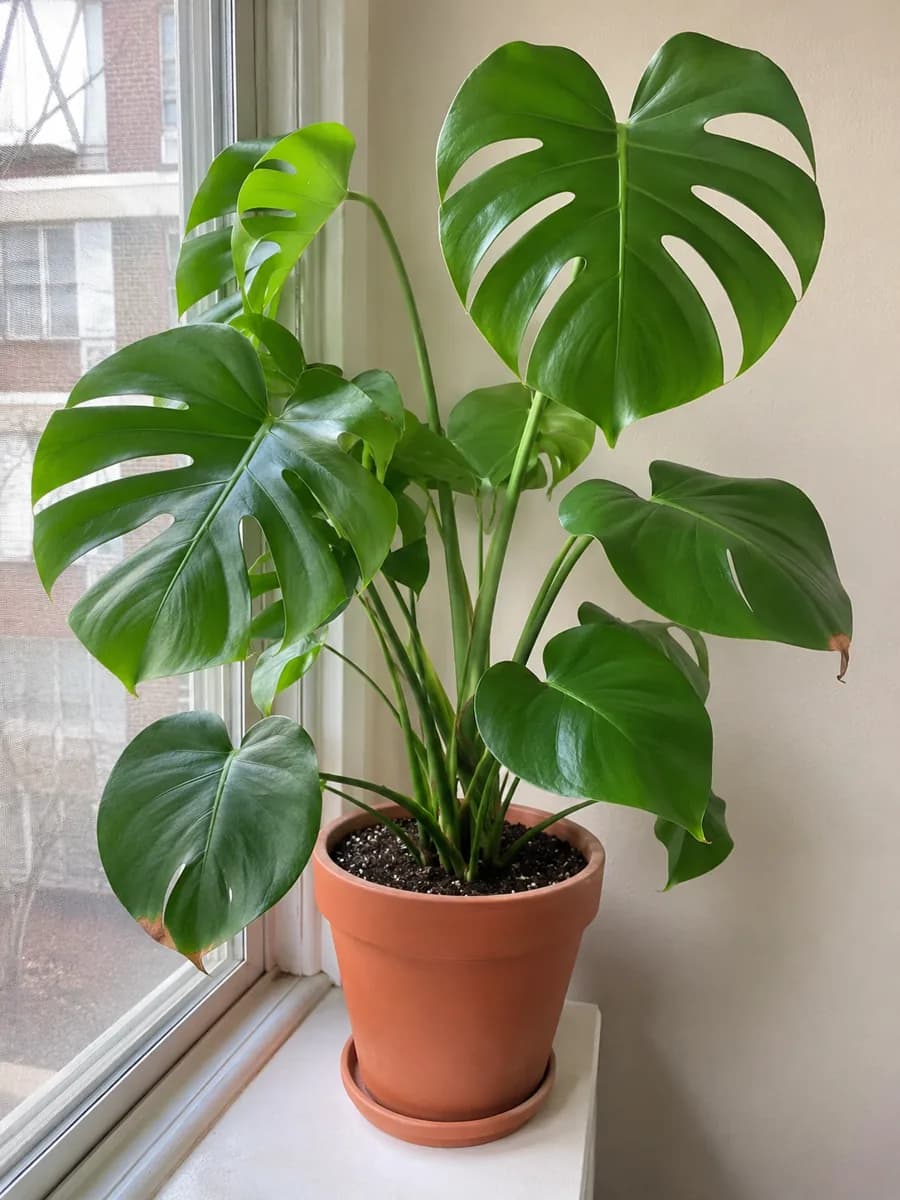 Illustrative care note · not a tool result
A few brown, dry tips are visible; the photo alone cannot tell you why.
Now: check the soil about 2–3 cm below the surface
Switch between three plants and read the whole note: candidates, confidence, what the photo shows, and care sorted by now, this week and the long run. The tool does not stamp a disease name on a photo.
Photo input
South-facing window, watered about weekly, some leaf tips turned brown this month.
Candidates: Monstera deliciosa; confirm with a clearer leaf and stem photo.
A few brown, dry tips are visible; the photo alone cannot tell you why.
Species, confidence and care steps are written examples for this page, not outputs from the tool. The tool describes what a photo shows; it does not replace a plant specialist, and it never gives brand names, doses or mixing recipes.
Leaves, stems and the soil surface all help. Use good light and a clean background. JPEG, PNG and WebP up to 10 MB are supported.
One photo per check. If spots or pests are the concern, get close enough that they are clearly visible. You can add up to 300 characters about the light, watering and what changed.
Start with now, then this week and the long run. Treat the note as guidance, not a diagnosis; for valuable or rare plants, ask a specialist before treating.
A close-up of one leaf can miss the pot, the soil and the light. The whole plant is the useful starting point.
Use a close-up when spots or pests are the issue, and keep a leaf in focus so the pattern is visible.
Now, this week and the long run are separated so you can act without treating everything at once.
The tool names active-ingredient classes only, with no brands, doses or mixing recipes.
Three planning scenarios, not customer reviews. The people and places are illustrative.
She had been away, saw the drooping leaves and assumed thirst. Checking the soil first changed the next step: the pot was still damp, so watering again would have made the problem worse.
Check the soil below the surface, then water only if it is dry.
Illustrative scenarioHe wanted to water it again, but the soil said no. Pausing and checking the drainage gave the plant a better chance than adding more water on a hunch.
Pause watering, check the drainage, and inspect the roots if it persists.
Illustrative scenario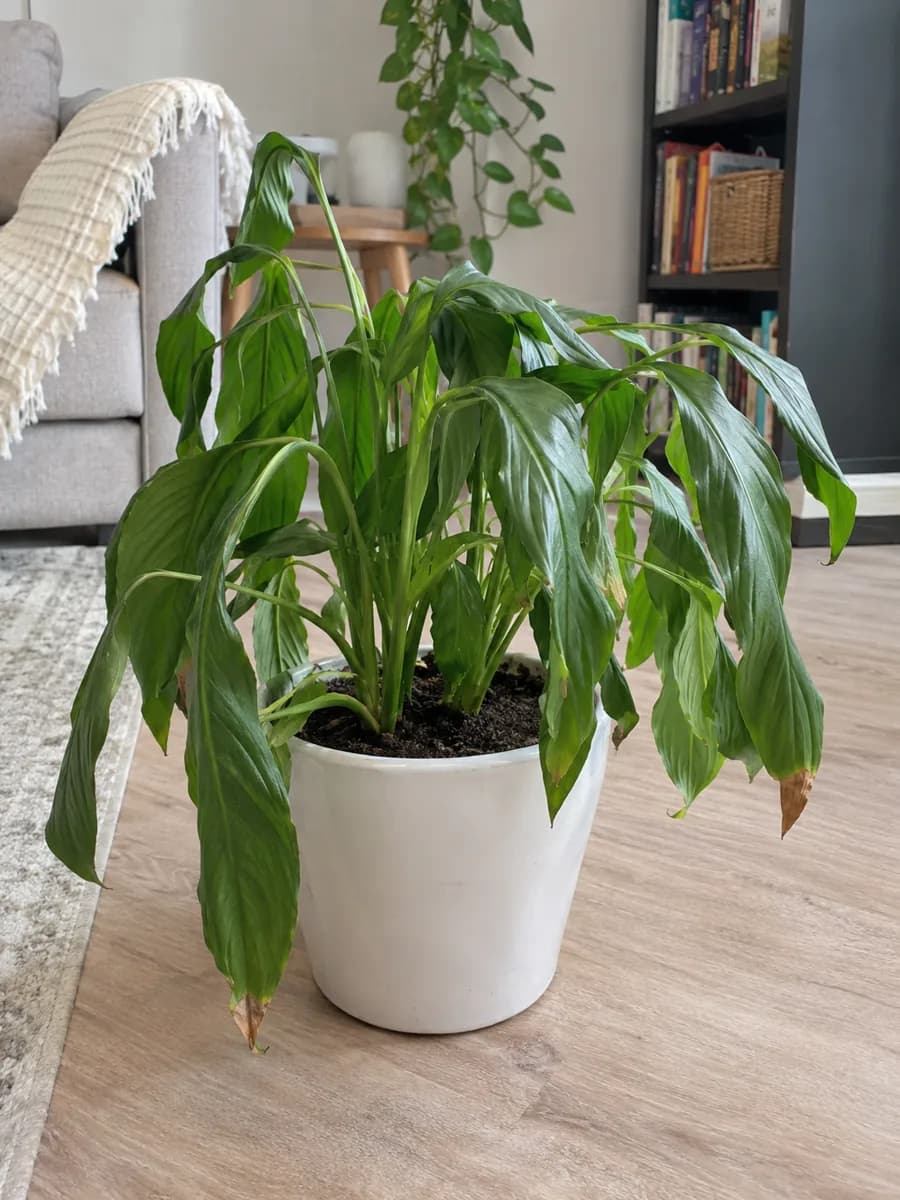
Instead of treating each tip as a separate emergency, she kept the light and watering steady and recorded whether the browning spread. A few weeks of notes were more useful than another product.
Keep care steady and track whether the browning spreads.
Illustrative scenario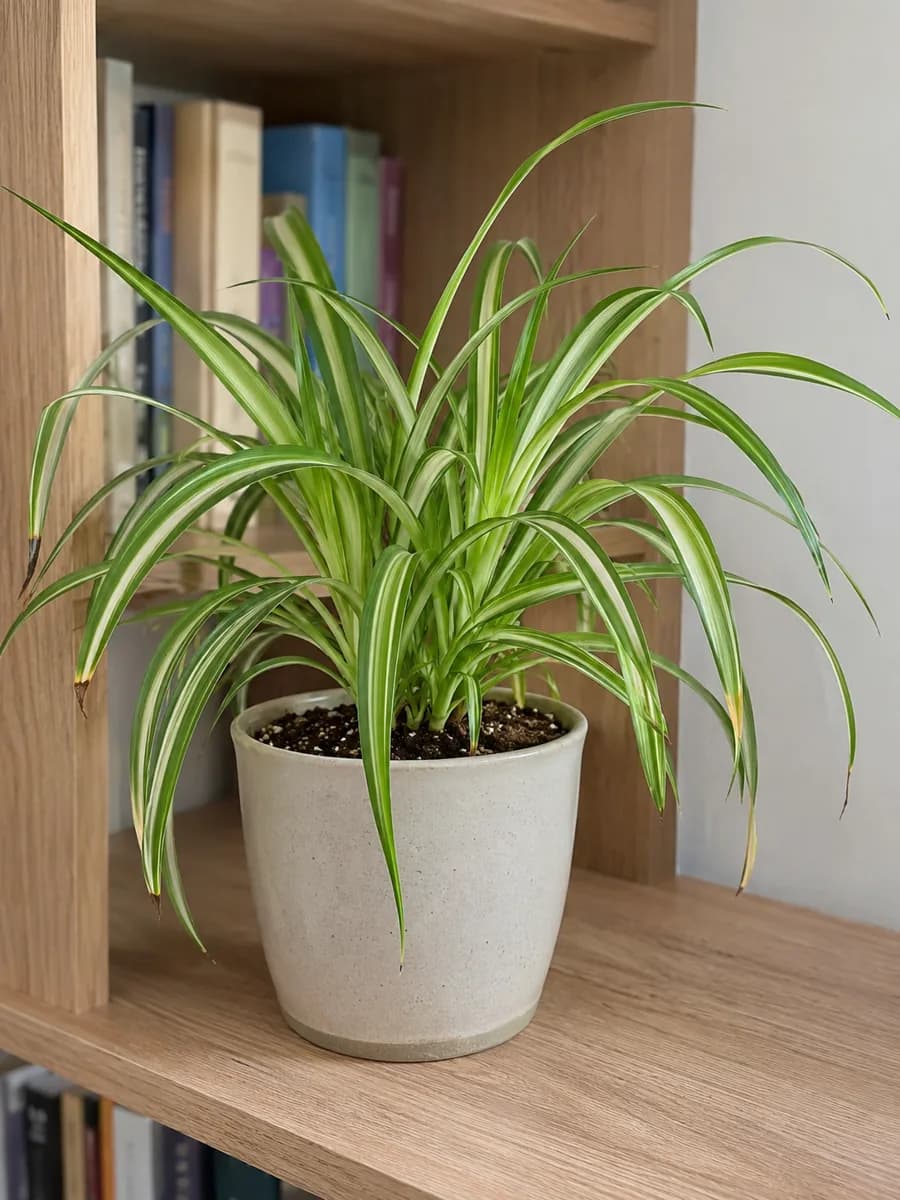
This page does not upload your photo. Before you run the tool, check its current privacy notes. The facts above come from the tool's live settings.
The whole plant in one shot — leaves, stems and the soil surface — in good light with a clean background. If a specific leaf looks wrong, get close enough that the spots are clearly visible.
It describes what's visible (spot patterns, coatings, pests, wilting) and what to watch for, rather than stamping a definitive diagnosis. For valuable plants, confirm with a specialist before treating.
It names the active-ingredient class to look for (like "an insecticidal soap") and tells you to follow the product label — never brands, doses or mixing ratios.
You get a short explanation and what to fix instead of made-up results — retake with the whole plant in frame and better light.
You can try it once without an account. After that each check costs 5 credits; new accounts get free credits to start.
Take one clear photo of the whole plant, add a line about what changed, and read the care note before you act.
Check my plantNo photo is uploaded on this page.