No kitchen scale, no digging through a food database. Take one photo of your meal and see roughly how many calories it has, and how much protein, carbs and fat.
It used to be memory work. Now one photo gets you started.
Before: logging was a choreNow: one photo, three steps
1
Before: logging was a chore
Try to remember what you ate
After the meal you start guessing: how much rice, how many pieces of chicken, does the sauce count?
1
Now: one photo, three steps
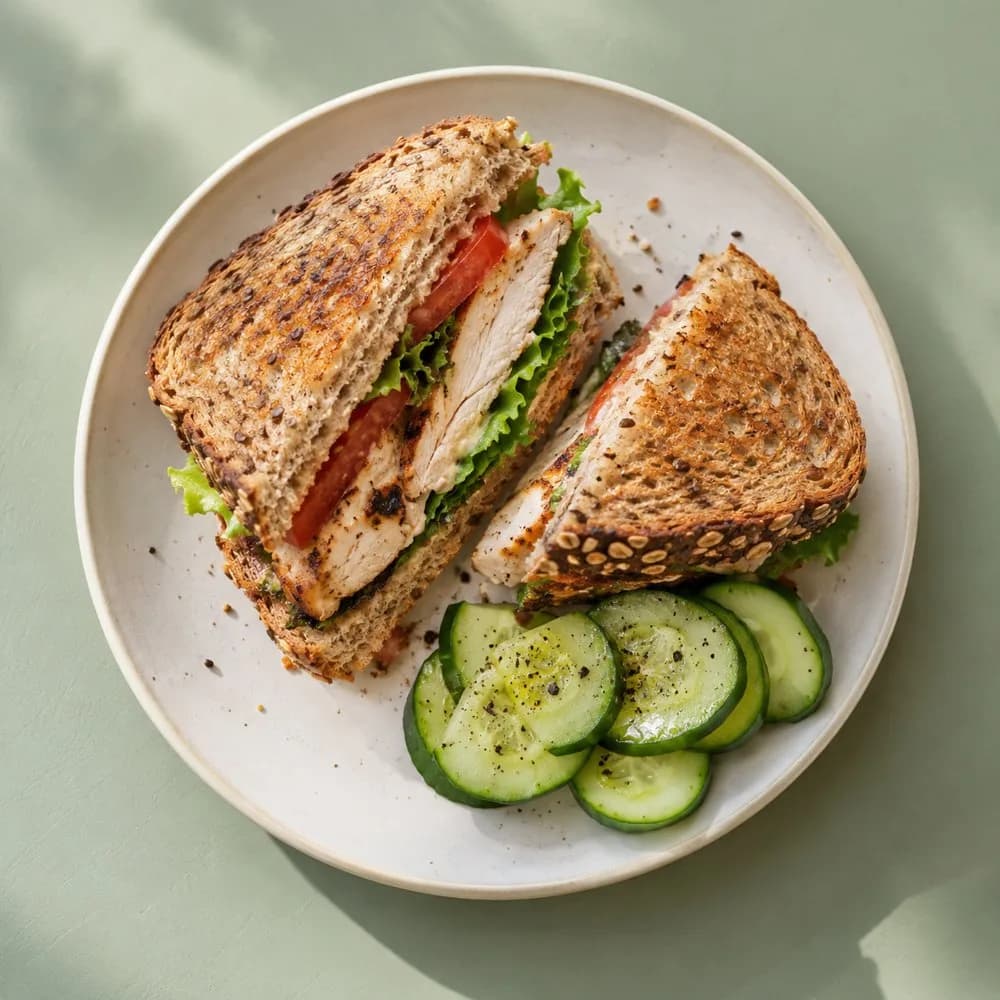
Get the whole plate in the photo
Shoot from above in good light without covering the food. One plate per photo — JPEG, PNG or WebP, up to 10 MB.
2
Before: logging was a chore
Look up the rice, then the salmon
Search a food database item by item, then guess how much of each there was.
2
Now: one photo, three steps
Pick a rough portion size
No scale needed. Choose small, regular or large — whichever is closest.
3
Before: logging was a chore
Give up halfway and promise to start tomorrow
One meal turns into homework. The harder you try, the harder it is to keep going.
3
Now: one photo, three steps
See the whole meal and each item
Calories, protein, carbs, fat and every food it found, together. Where the photo is less clear, the confidence level says so.
A family notebook about meals
Same table. A different way of seeing the meal.
Three ordinary mealtimes — no perfect recipes, and no turning dinner into a nutrition exam. These are illustrative scenes, not customer reviews.
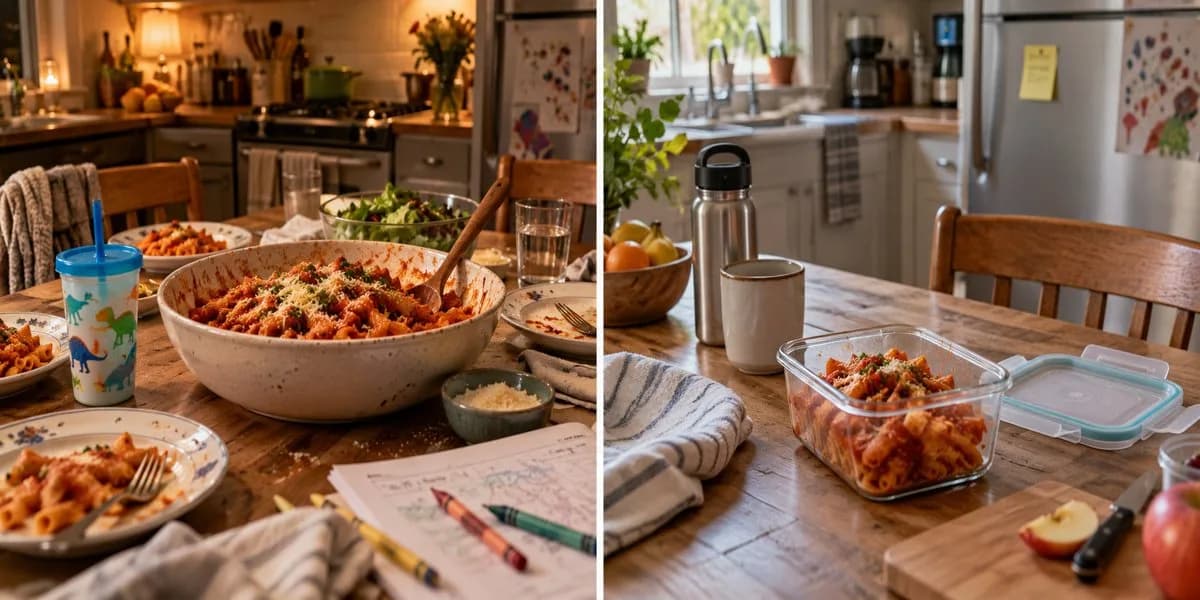
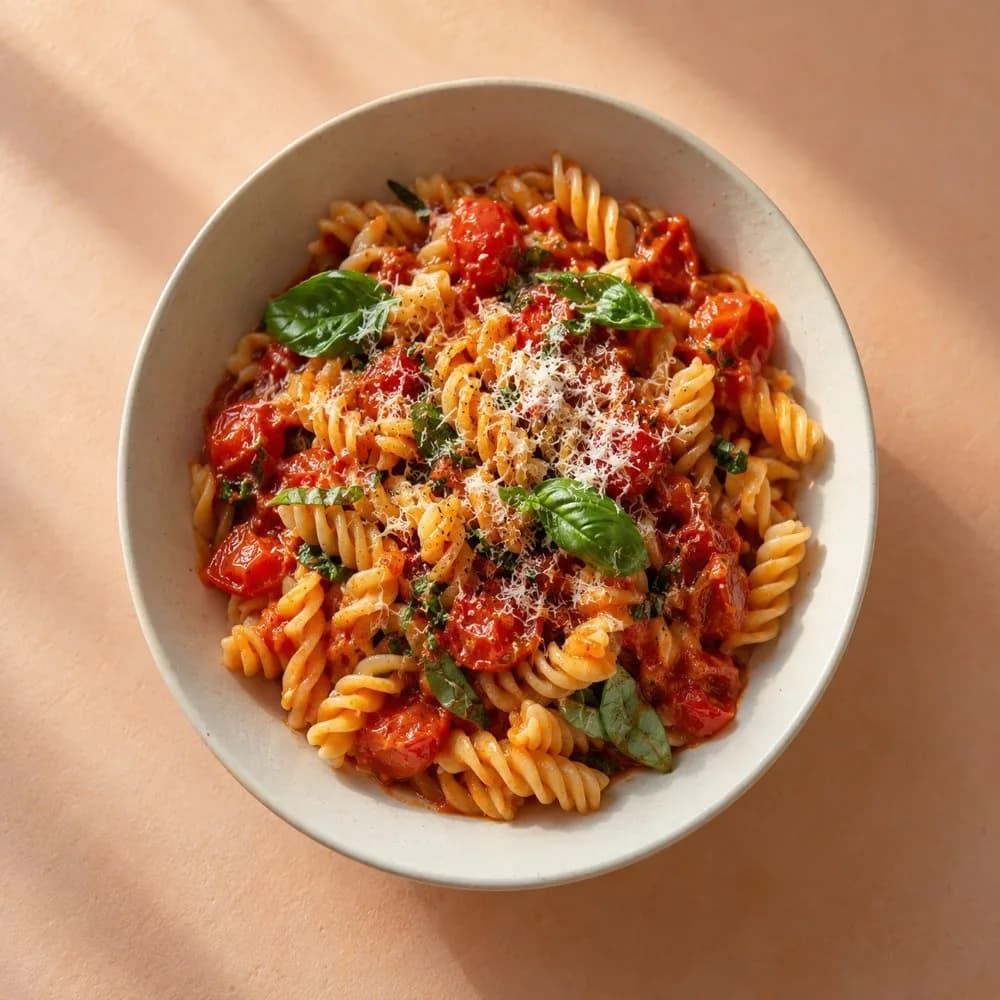
Nora's big pasta bowl, and the half saved for tomorrowFamily dinner · with her daughter
Tuesday at Nora's: a big bowl of pasta, homework all over the table.
Her daughter rolls her eyes at yet another dinner photo. Nora takes it anyway — just one. Once she sees how big the portion is, half goes into a lunchbox. Tomorrow's lunch is sorted, with no detective work.
Pack tomorrow's portion separately, then log the amount actually eaten next time.
Nora · SeattleDinner with her daughterIllustrative story
Example
890 kcalBig bowl of tomato pasta
Protein
28 g
Carbs
145 g
Fat
22 g
Pasta200 g710 kcal
Tomato sauce120 g100 kcal
Cherry tomatoes60 g20 kcal
Parmesan15 g60 kcal
Basil5 g0 kcal
A useful notePasta is most of this meal. You could save half for tomorrow and add some vegetables you like.
Medium confidence · the sauce is a mixed food
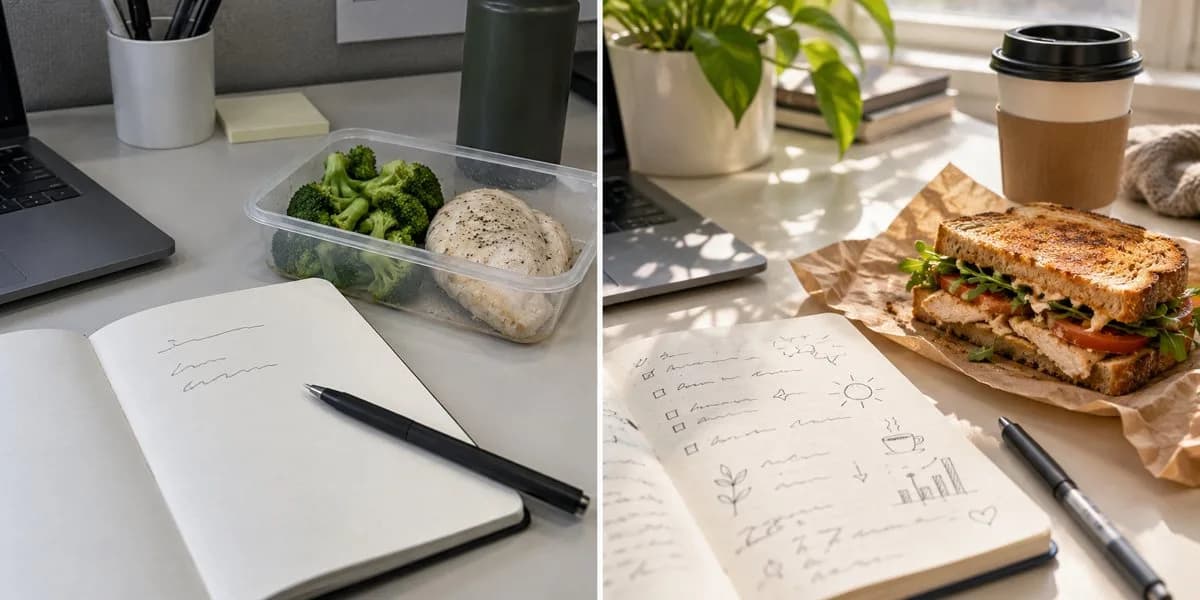
Alex's takeaway sandwich, now in the notebook tooTakeaway lunch · a short lunch break
Alex's notebook isn't just for chicken breast anymore.
Three days of broccoli, then three weeks of blank pages. Now the takeaway sandwich gets a photo too. Can't see the sauce? Add a question mark and check the ingredients — one ordinary lunch no longer ruins the whole log.
Treat hidden sauce as uncertain; an estimate is not a measurement.
Alex · LondonOften grabs lunch to goIllustrative story
Example
560 kcalChicken sandwich
Protein
38 g
Carbs
55 g
Fat
21 g
Wholegrain bread100 g250 kcal
Chicken breast110 g180 kcal
Vegetables and cucumber100 g30 kcal
Sauce (estimated)20 g100 kcal
A useful noteHidden sauce changes the estimate. If there's an ingredient list, check it alongside.
Medium confidence · some sauce is hidden
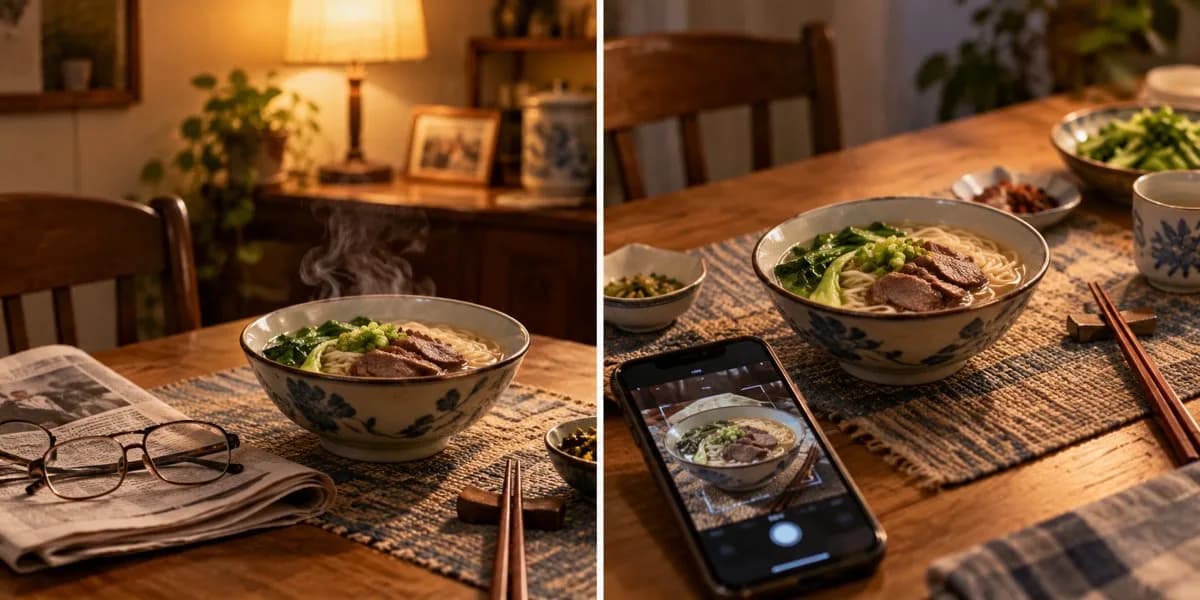
Dad's noodle soup, photographed before dinnerHomemade noodles · weekend dinner for Dad
Jamie made noodle soup for Dad. Dinner isn't a debate about "too much" anymore.
It's a small bowl, but the noodles, the meat and the oil are no longer a matter of memory. One photo before dinner and everyone is looking at the same picture. Dad calls it a passport photo for dinner — then eats his greens first.
Check it against what actually went into the pot, especially the broth and cooking oil.
Jamie · MelbourneCooks for DadIllustrative story
Example
520 kcalHomemade noodle soup
Protein
30 g
Carbs
64 g
Fat
16 g
Cooked noodles220 g300 kcal
Beef slices70 g140 kcal
Greens80 g20 kcal
Broth and oil (estimated)150 g60 kcal
A useful noteA small bowl can still be a mixed meal: noodles, meat and broth all count. Check it against how you cooked it.
Medium confidence · broth and oil are estimated
Before you scan
Estimates can vary. The limits shouldn't be vague.
Straight answers about photos, accuracy, cost and privacy.
What kind of photo works best?
One plate per photo, shot from above in good light, with the whole plate in frame and nothing covering the food. Close-ups of a single item work too. Blurry or dark photos come back with a reason instead of a number — retake rather than trust a bad scan.
How accurate is it?
Photo-based estimates of common meals typically land within 15–25% of the true value, and every result shows a confidence level. Numbers are rounded on purpose, and mixed dishes like stews, dressed salads and filled items get flagged because their contents are partly invisible. Treat the result as a guide for your day, not a measurement.
Can it tell what's inside a sandwich or a burrito?
Only partly. It estimates from what's visible, so hidden fillings and sauces lower the accuracy — that's what the confidence level and the mixed flag are for.
What happens if the photo isn't food?
You get a short explanation instead of invented numbers. Photos of nutrition labels are also refused — the label table is not a meal. If a run fails, you are not charged.
How much does it cost?
You can try it once without an account. After that each scan costs 5 credits; new accounts get free credits to start.
Do you store my photos?
Photos are used only to produce your estimate. Inputs and results stay in your history for 7 days so you can look back at them, then they are deleted. You can delete them sooner from your account.
After this meal, don't log it from memory.
Snap the plate, pick a portion, and keep everyday tracking a little simpler.
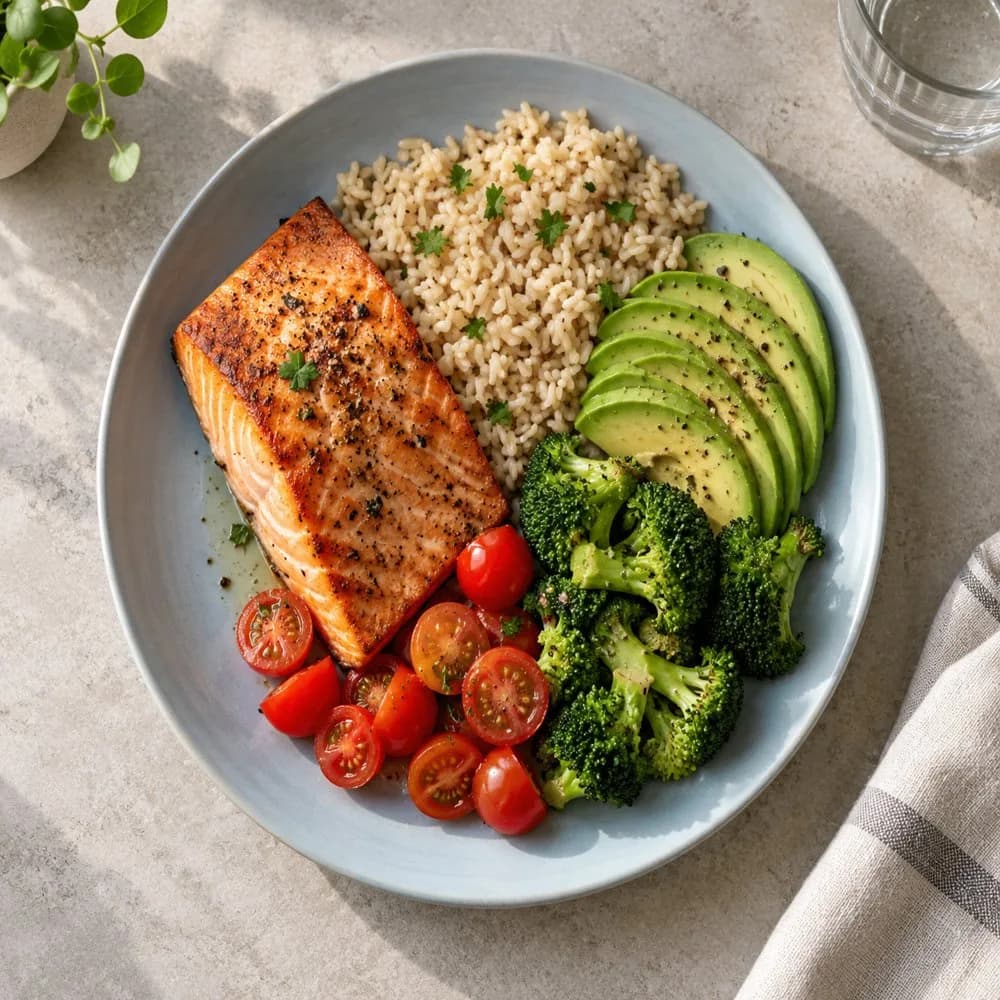 Input: one plate · Regular